Operations & Process Intelligence: Navigating Complexity with Governance
Organizations confront opaque, interdependent processes that generate high‑velocity data. Traditional reporting fails to provide actionable insight, creating strategic blind spots and operational risk.
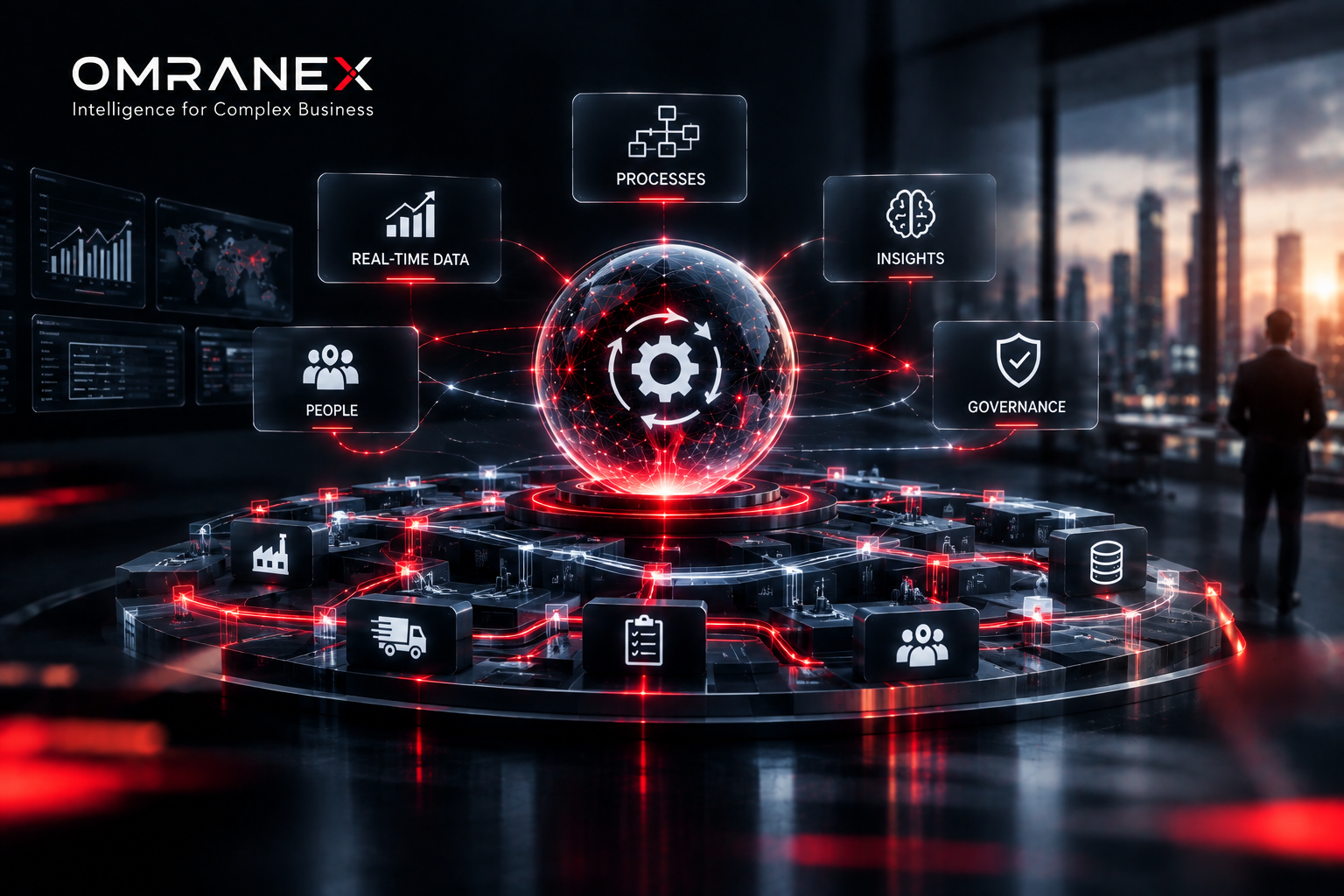
Modern enterprises operate within networks of interdependent systems, where process flows span multiple domains, geographies, and technology stacks. The resulting complexity generates data that is heterogeneous, high‑velocity, and often ambiguous. Decision‑makers require more than static key performance indicators; they need a coherent view of operations that captures context, predicts emergent behavior, and supports rapid adaptation. Without such intelligence, organizations cannot mitigate risk, optimize resources, or sustain competitive advantage in volatile markets.
The Evolving Landscape of Operations Intelligence
The shift from descriptive dashboards to prescriptive intelligence marks a fundamental change in how businesses derive value from operational data. Advanced analytics now incorporate real‑time streaming, machine‑learning models, and semantic reasoning to surface patterns that were previously invisible. This evolution demands integration across legacy systems, third‑party platforms, and emerging IoT sensors, creating a unified data fabric that can support both tactical monitoring and strategic scenario planning.
Data Complexity and Contextual Understanding
Operational data rarely conforms to a single schema. Variations arise from differences in measurement units, naming conventions, and data quality. Contextual understanding therefore relies on techniques such as data normalization, entity resolution, and knowledge graph construction. By embedding domain semantics into the data layer, analysts can trace the provenance of each event, assess its reliability, and relate it to broader business objectives. This foundation is essential for any intelligence system that aims to reduce uncertainty rather than amplify it.
Adaptation through Continuous Learning
Processes are not static; they evolve in response to market shifts, regulatory changes, and internal reorganization. Continuous learning mechanisms enable models to detect drift, incorporate new signals, and refine predictions over time. Reinforcement learning loops, feedback from domain experts, and automated retraining pipelines ensure that the intelligence remains relevant. The result is a self‑adjusting system that can anticipate bottlenecks, suggest corrective actions, and quantify the impact of proposed interventions.
Governance as a Foundational Pillar
Intelligence derived from complex operational environments carries inherent risk. Governance provides the controls, transparency, and accountability required to manage that risk responsibly. Effective governance encompasses data stewardship, model validation, access management, and regulatory compliance. By embedding governance into the intelligence lifecycle, organizations protect against bias, ensure auditability, and maintain stakeholder trust.
- Data ownership and stewardship definitions
- Model validation protocols and audit trails
- Role‑based access controls and data segmentation
- Alignment with regulatory frameworks (e.g., GDPR, SOX)
- Continuous monitoring and periodic governance reviews
Intelligence without governance is a liability; governance without intelligence is a blind spot.
Practical Implementation Frameworks
Deploying Operations & Process Intelligence begins with a clear articulation of business objectives. The next step is to map end‑to‑end process flows, identifying critical decision points and data touchpoints. Integration of heterogeneous sources feeds a unified data lake, where advanced preprocessing creates a clean, semantic layer. Knowledge graphs then encode relationships, enabling contextual queryability. Machine‑learning models are trained on historical data, validated against hold‑out sets, and deployed within a monitoring environment that tracks performance drift and data quality metrics. Finally, a governance board oversees model lifecycle, ensures compliance, and drives continuous improvement.
The OMRANEX Perspective
OMRANEX recognizes that complexity demands understanding, uncertainty demands adaptation, and intelligence demands governance. Our platform is built to synthesize heterogeneous operational data into actionable insight while enforcing rigorous governance controls. By coupling deep analytical capabilities with transparent, auditable processes, OMRANEX enables enterprises to navigate intricate business ecosystems with confidence, reduce exposure to operational risk, and sustain long‑term performance in an ever‑changing environment.